One platform, many kitchens: how OvqatGo keeps every business’s data its own
When many businesses share one system, each must only ever see its own orders and customers. Here’s how OvqatGo makes that the default.
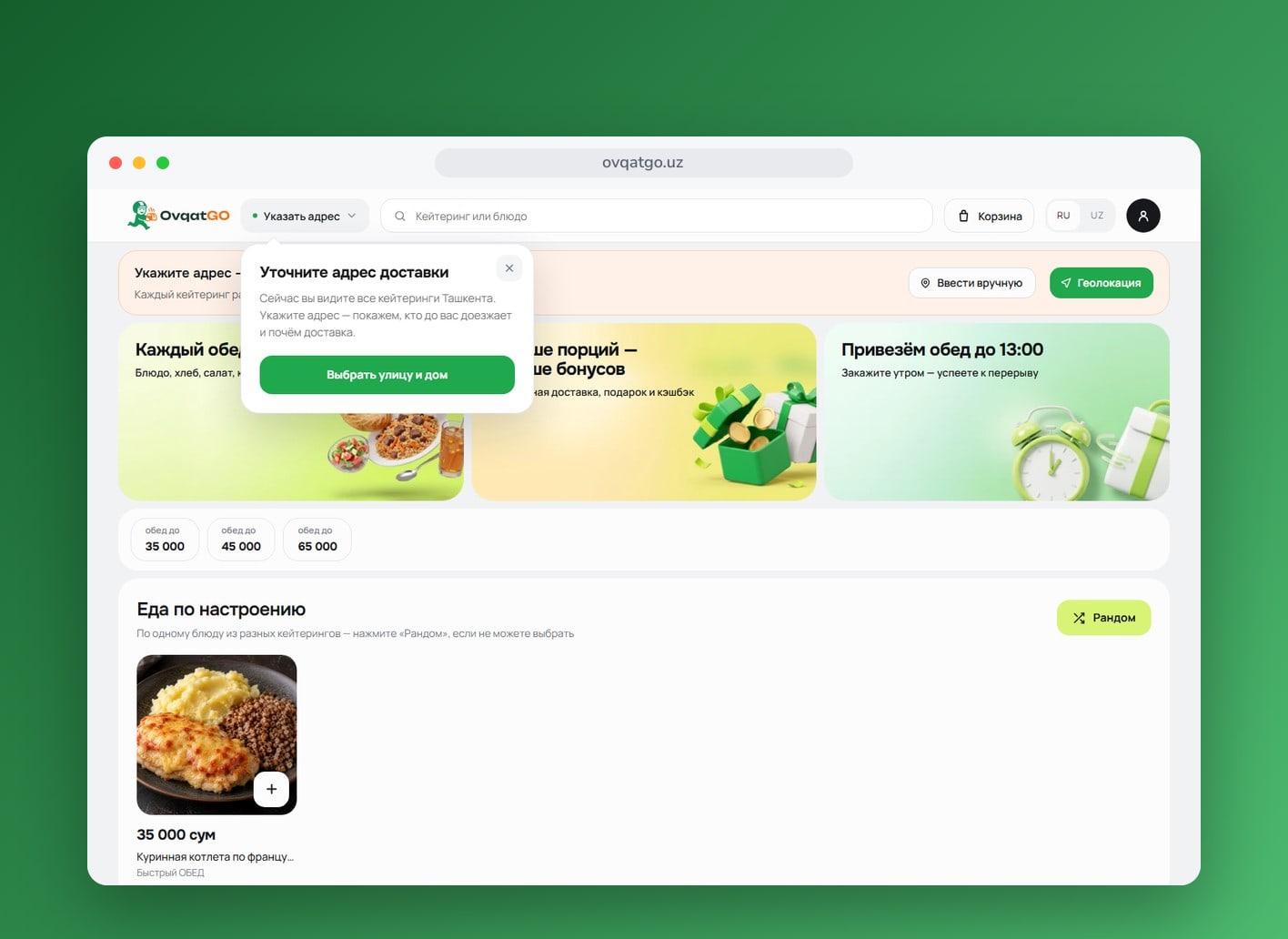
OvqatGo is a single platform used by many catering kitchens. Each one has its own orders, customers, couriers and takings, and each expects that no other kitchen can ever see them. That expectation is the foundation of any platform shared by several businesses, so it can’t depend on every developer remembering a rule in every place.
Separation built into the foundation
Instead of relying on the application to filter data correctly every time, OvqatGo lets the database itself decide which records each kitchen may see. Every request is tagged with the kitchen it belongs to, and only that kitchen’s data comes back. Even a carelessly written feature simply can’t show one kitchen another kitchen’s orders.
The platform still sees the big picture
Some parts of the product do need to look across kitchens, such as the shared marketplace customers order from and the console the platform team uses. Those few places are deliberately separate and clearly marked, so crossing between businesses is always an explicit choice rather than an accident.
Why it matters for the business
- Trust. Kitchens can join a shared platform knowing their customer lists and numbers stay private.
- Speed. New features ship faster because the most important rule is already enforced underneath them.
- Growth. Adding the next kitchen is a setting, not a new deployment.